Research
Analysis and computation for materials science, from atoms to microstructure, and the theory and algorithms of optimal transport. Most of the problems are variational: an energy, its minimisers and critical points, and how these change with a parameter. The aim is results that are rigorous where possible and computable at scale, developed with materials scientists and released as open-source software.
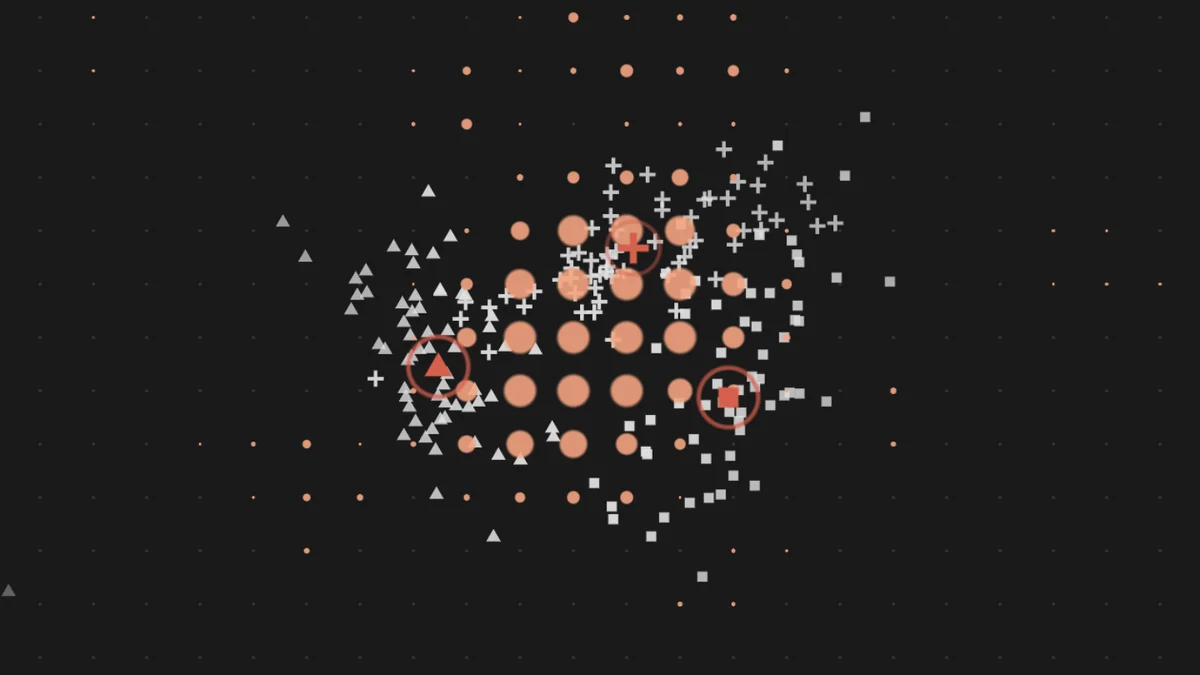
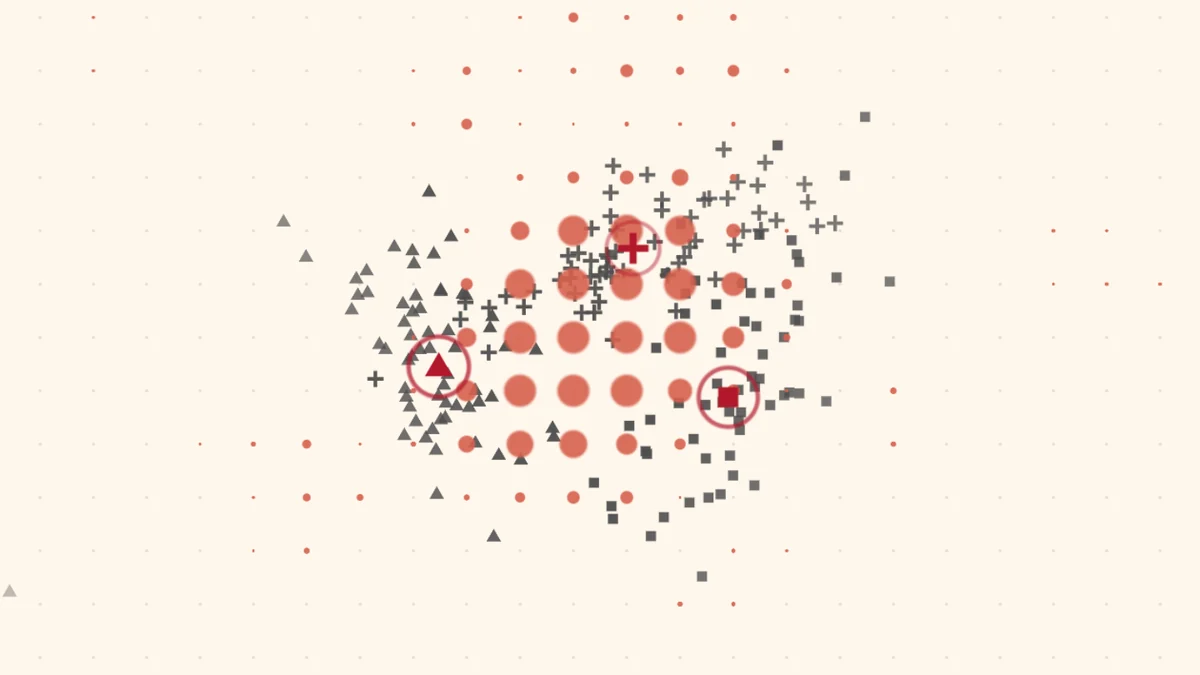
1Energy landscapes of atomistic systems
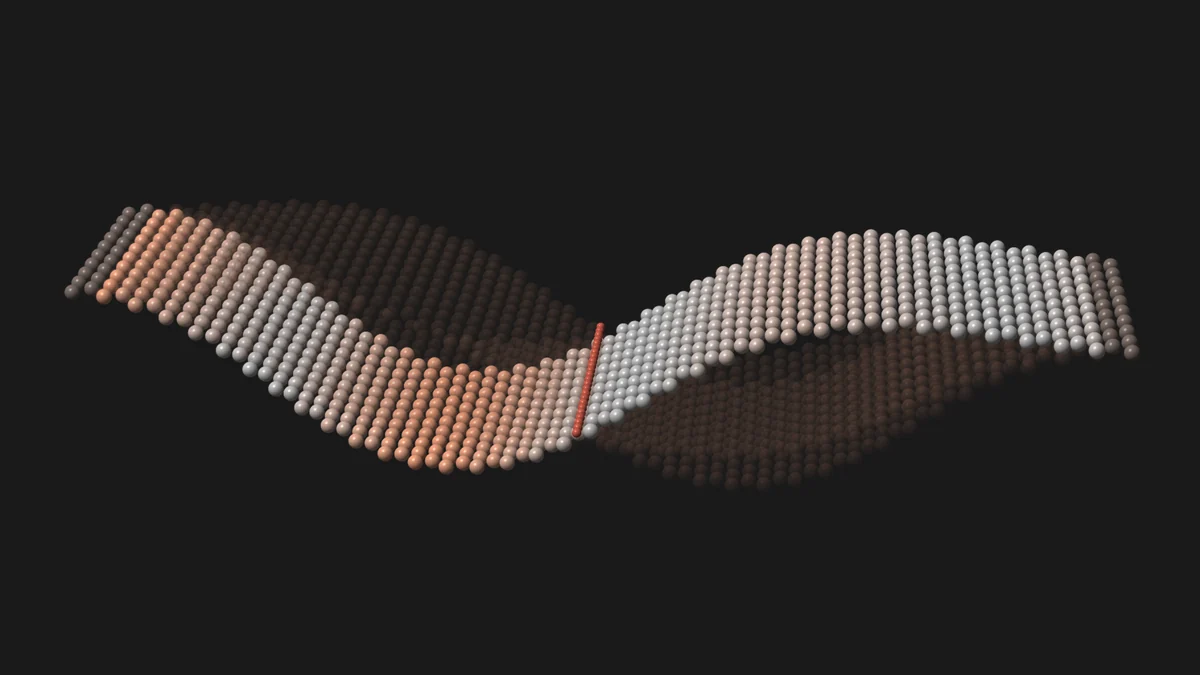
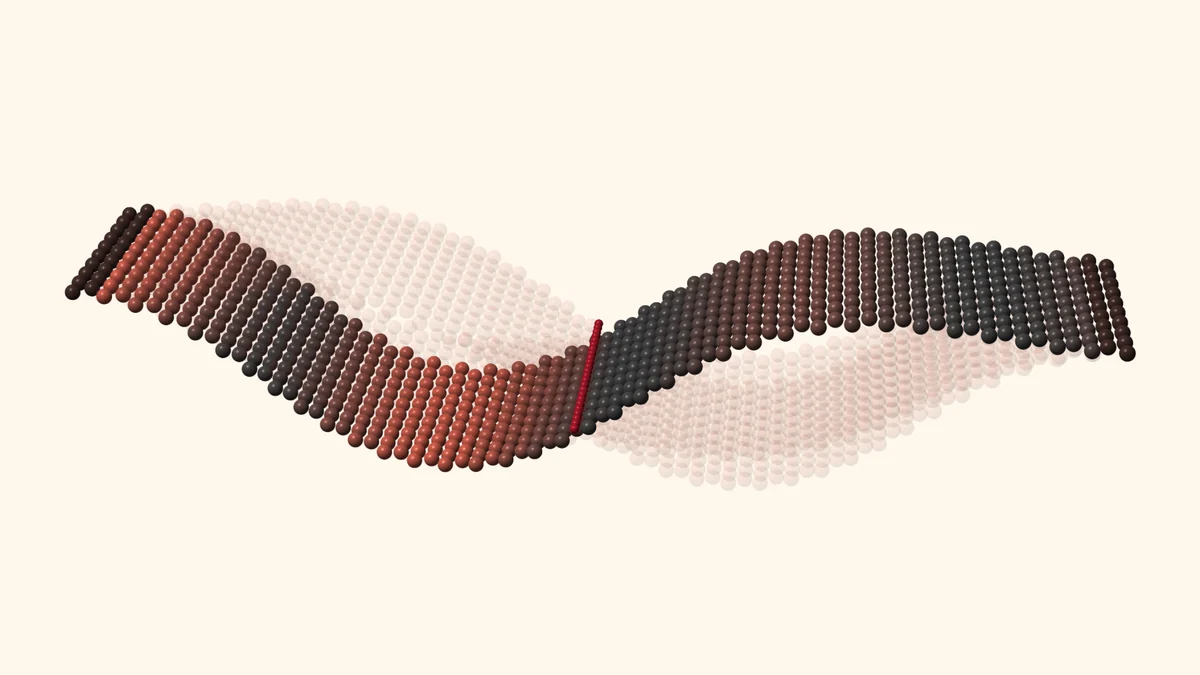
Mapping the energy landscapes of large atomistic simulations, with continuation and deflation methods that scale to machine-learned interatomic potentials and reveal how defects nucleate, move and cascade.
numerical continuation, deflation, machine-learned interatomic potentials, defect nucleation, structural avalanches
2Modelling microstructure
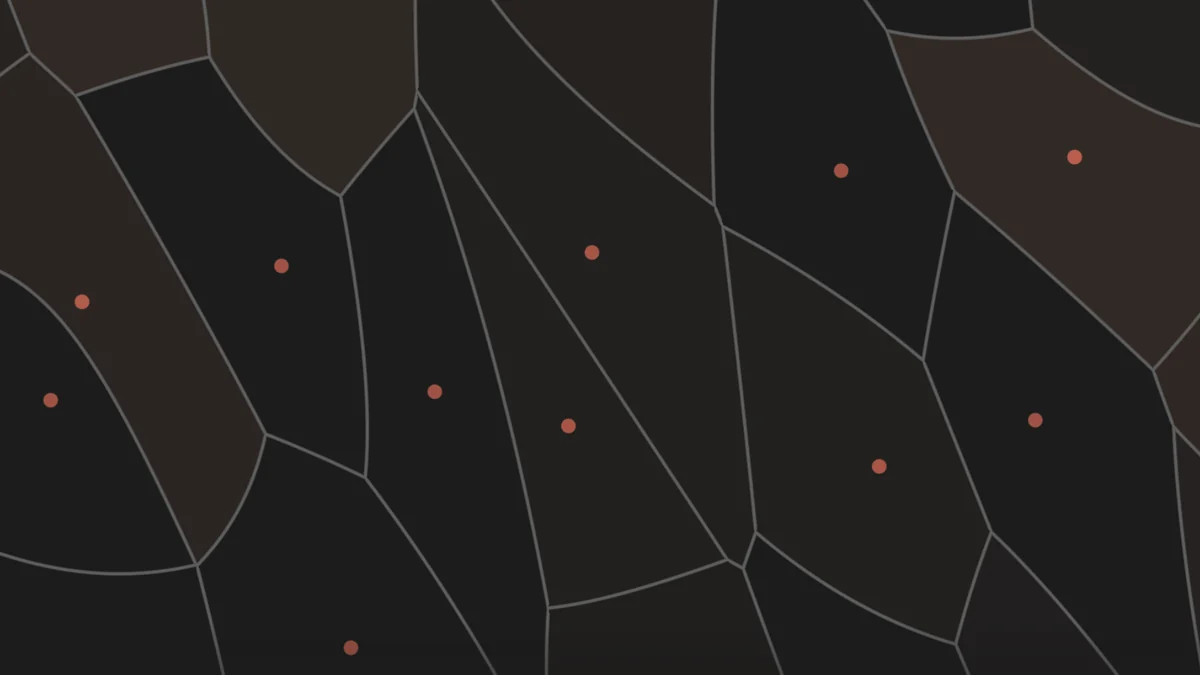
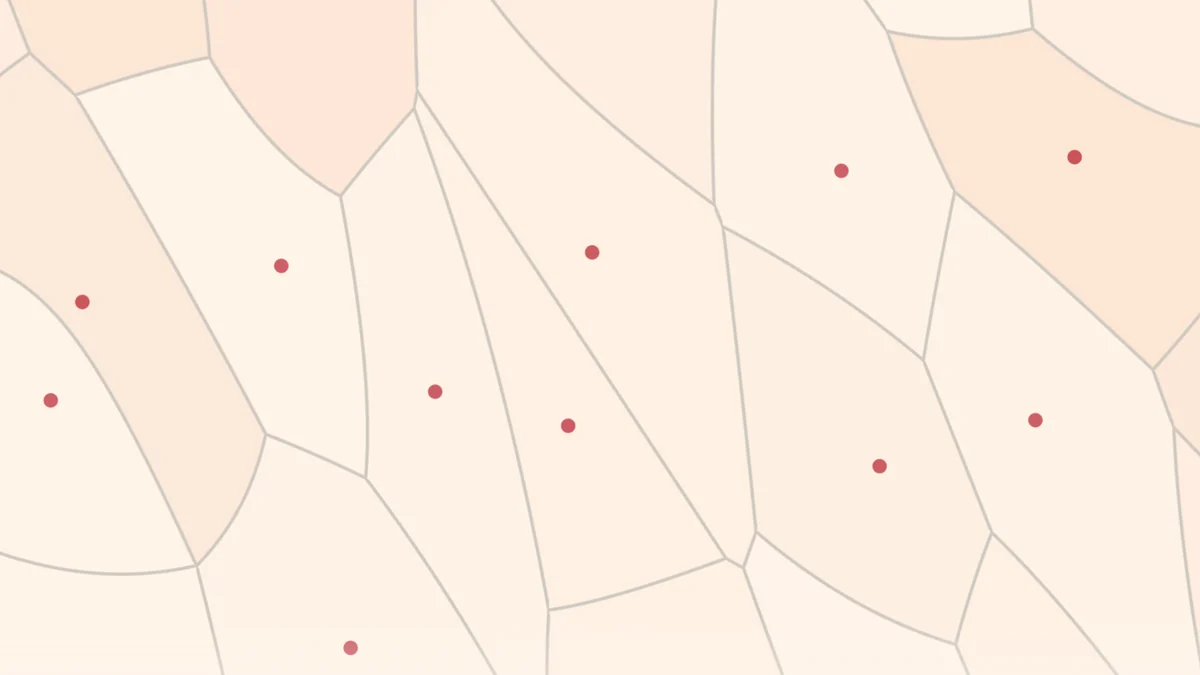
Microstructures as optimal clusterings, with anisotropic power and polynomial diagrams computed by semi-discrete optimal transport on the GPU that capture the grains of real metals and their crystallographic structure, in collaboration with Tata Steel.
anisotropic power diagrams, polynomial diagrams, semi-discrete optimal transport, clustering, crystallography, EBSD, PyAPD
3Optimal transport: theory and algorithms
Moving mass optimally when it can also be created or destroyed: barycentres in the Hellinger–Kantorovich distance, their multi-marginal formulations, and entropic regularisation of unbalanced problems.
unbalanced optimal transport, Hellinger–Kantorovich distance, barycentres, multi-marginal optimal transport, entropic regularisation, Sinkhorn algorithm
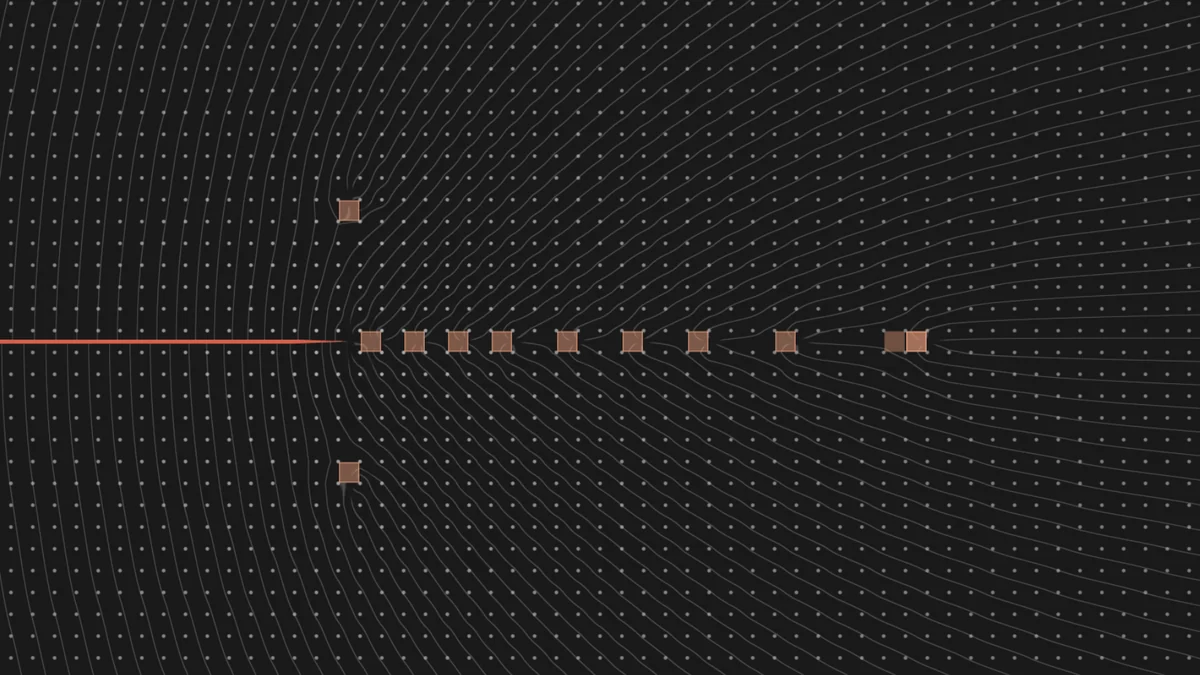
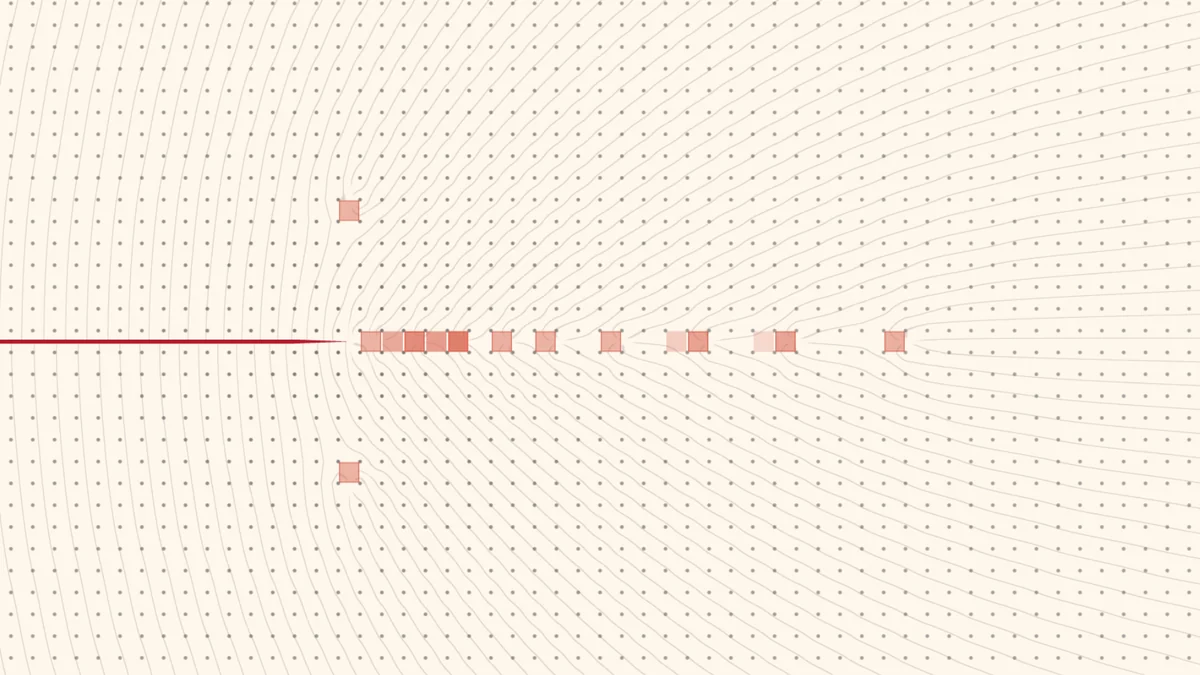
4Defects and plasticity across scales
Rigorous bottom-up models of cracks and dislocations, from the discrete lattice to mesoscale plasticity.
fracture, near-crack-tip plasticity, dislocations, lattice Green’s functions, flexible boundary conditions, discrete-to-continuum